By Mark Pfost, Public Lands Ecologist – mpfost@wisducks.org
This article originally appeared in the Wisconsin Waterfowl Association’s October 2025 Newsletter edition.


By Mark Pfost, Public Lands Ecologist – mpfost@wisducks.org
This article originally appeared in the Wisconsin Waterfowl Association’s October 2025 Newsletter edition.
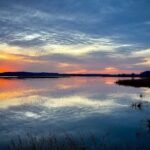
 I rarely shoot anything on the early teal/goose opener; this year was no exception. My primary objective this year was not birds, but to watch the day wake up on this Meadow Valley wetland restoration. Bruce Ross mentioned this project in his September column, but I want to add to that story. The more I looked around, the more impressed I was with the way it turned out. Nine months ago, a wide ditch ran north to south through this area; spoil piles on both sides were tree-covered, mostly oaks. Adjacent sedge meadows were mainly dry as the ditch took that water and sent it south, eventually to the Wisconsin River miles away. Water now spreads perpendicular from the ditch, re-wetting those sedge meadows that have been water-starved for a century or more. But that’s only part of the story.
 Ever since the dirt work was completed last winter, I’ve wondered about the vegetative response—after all, veg is what makes the habitat. What did I see: in addition to numerous sedge species, there was smartweed, bidens, rice-cut grass, water plantain, giant burr-reed, pondweed species, water lilies, and other so-called “moist-soil” species—duck food! One reason for the diversity of species is microtopography —the subtle and less subtle water depth variations that allow species to find their preferred depth. Another reason is that we tipped those spoil banks upside down—exposing wetland seeds that haven’t seen the light of day since the early 1900s.
What did I not see? I didn’t see any cattails, any reed-canary grass, or any phragmites. This is a high-quality wetland—the result of collaboration between WWA, USFWS, and the DNR. We want to keep it that way.
Although high quality vegetation abounds, there are still open “scars” that haven’t revegetated yet. These areas are particularly susceptible to invasion by non-native weeds.
If your waders and hip boots have been any place where they might have picked up seeds from cattails, RCG, phragmites, or purple loosestrife: PLEASE scrub and wash the mud and hidden seeds from your gear before visiting this restoration.
 Opening morning I only saw three or four wood ducks at a distance, and a couple of snipe and I never raised my gun. On each year’s opener I wear my dad’s old canvas duck coat (circa 1960) as a means of upholding duck hunting traditions and triggering memories of hunts from long ago. That, to me, more than birds, makes for a successful hunt.