By George Ermert, WWA Board Member and Policy Committee Chair
This article appeared in the Wisconsin Waterfowl Association’s November 2026 Newsletter.

By George Ermert, WWA Board Member and Policy Committee Chair
This article appeared in the Wisconsin Waterfowl Association’s November 2026 Newsletter.
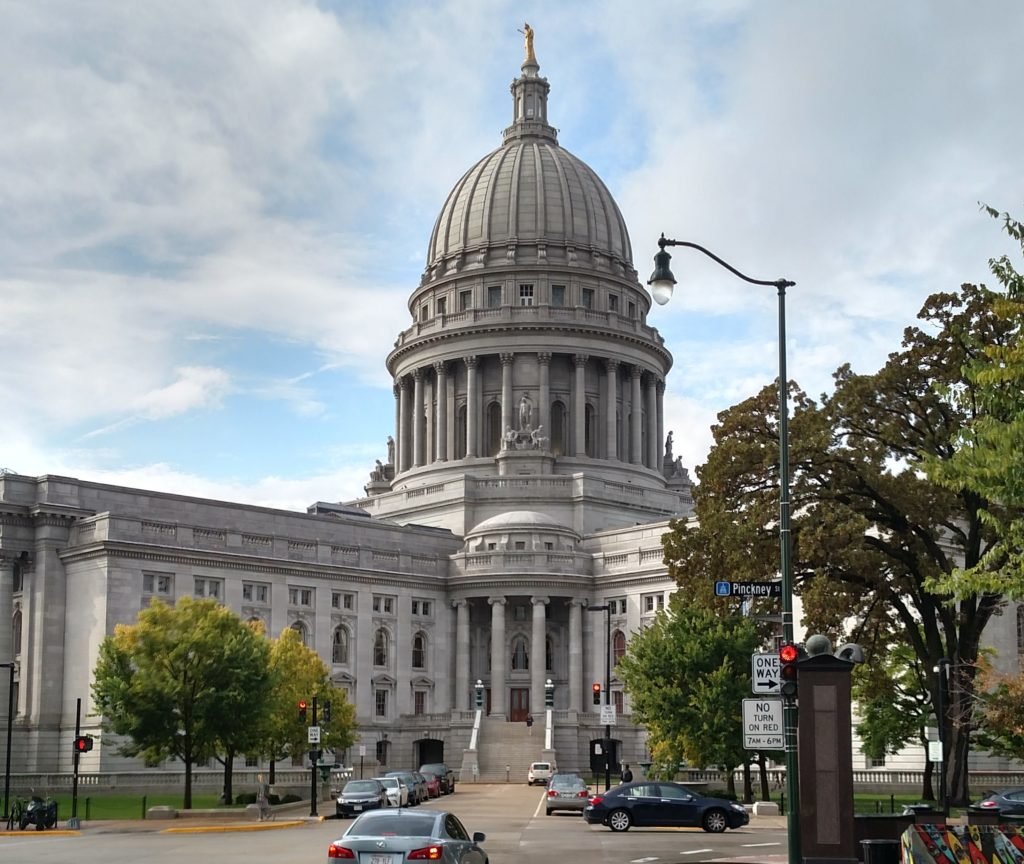
The results of Wisconsin’s 2026 elections will bring a new dynamic to conservation policy in our state. Voters elected David Crowley as Wisconsin’s next governor while also giving Democrats majorities in both the Wisconsin State Senate and State Assembly. The election marks the first time in more than 16 years that a single party will control both legislative chambers and the governor’s office, creating a new governing environment for issues affecting wildlife, wetlands, outdoor recreation, and natural resources.
For members of the Wisconsin Waterfowl Association, the most important question is not who won the election, but what the results may mean for the future of conservation. While no election outcome guarantees specific policy decisions, unified control of state government often makes it easier to advance legislative priorities. Conservation issues that could receive increased attention in the coming years include wetland restoration, water quality improvements, habitat enhancement, public land acquisition, outdoor recreation funding, and continued support for state conservation programs.
One area that will be closely watched is the future of the Knowles-Nelson Stewardship Program, Wisconsin’s flagship conservation funding program. For decades, the program has helped protect wildlife habitat, restore wetlands, improve public access, and preserve important natural areas across the state. Hunters, anglers, birdwatchers, and outdoor enthusiasts have all benefited from projects supported through stewardship funding. Future debates over reauthorization and funding levels will now take place under a significantly different political landscape.
Wisconsin remains one of the nation’s premier waterfowl destinations because generations of residents, conservation organizations, sportsmen and women, landowners, and elected officials have worked together to protect the habitats that sustain migratory birds. From the Mississippi River Flyway to the Horicon Marsh region and countless wetlands in between, the future of waterfowl conservation depends on continued investment in habitat conservation and sound wildlife management.
As a conservation organization, the Wisconsin Waterfowl Association remains committed to working with elected officials from both parties to advance policies that benefit Wisconsin’s wetlands, waterfowl populations, and hunting heritage. The faces in Madison may have changed, but the need for effective conservation leadership remains the same. As always, WWA members will have an important role to play by staying engaged, building relationships with elected officials, and advocating for the conservation priorities that keep Wisconsin’s wetlands healthy and its waterfowling tradition strong for future generations.