 By Peter Ziegler, Project Director
This article appeared in the Wisconsin Waterfowl Association’s January 2026 Newsletter edition.

By Peter Ziegler, Project Director
This article appeared in the Wisconsin Waterfowl Association’s January 2026 Newsletter edition.
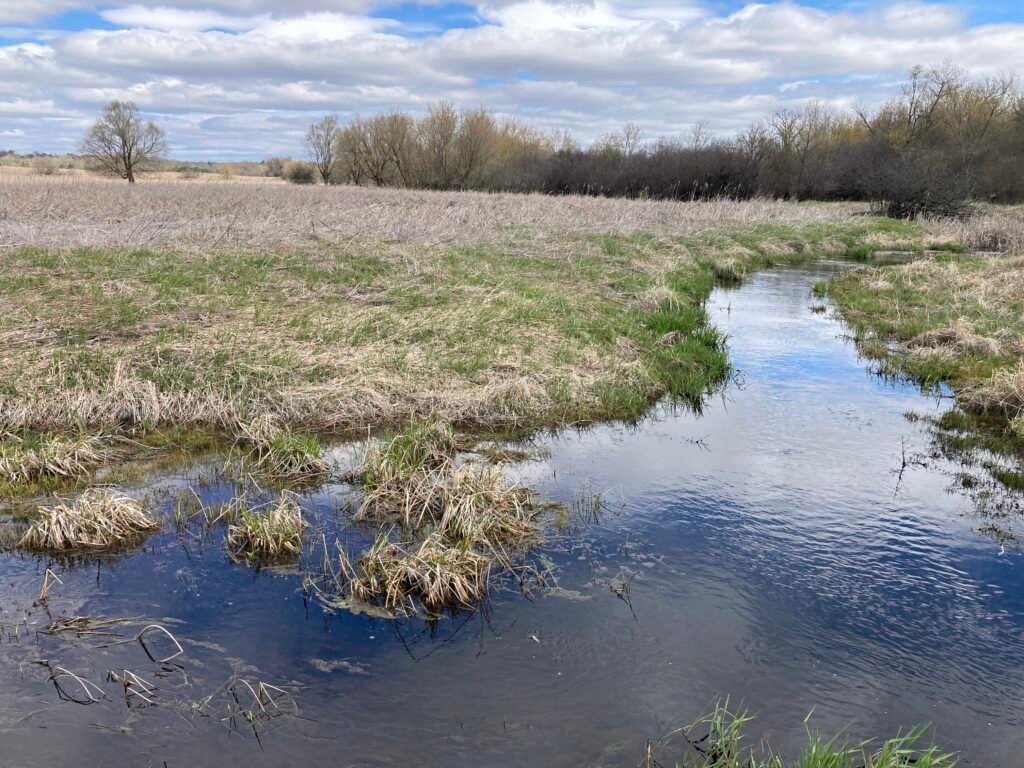
As we close out the year, WWA begins to summarize our impact on Wisconsin, its waterfowl hunters, and its habitat. This year marked another increase in the Wisconsin Waterfowl Association’s habitat growth, both in personnel and acreage impact. Continued growth within the WWA habitat program over the last few years has demonstrated WWA’s effectiveness and its trajectory’s positive impact on habitat in WI. We want to acknowledge that our results are also due to great partnerships with other conservation organizations/agencies.
Wisconsin Waterfowl Association’s habitat program impacted over 8,380 acres in 2025. Yes, that is correct, and yes, this is an increase year over year. A positive for both WWA’s habitat team and its members who help support these efforts. This achievement was made possible, in part, by growing the habitat team to four ecologists. These results show how effectively WWA’s habitat team works. The small size and efficient use of all resources enable WWA to respond to opportunities to the benefit of all. If you see an ecologist out and about, feel free to bend their ear about habitat and give them a high five for their hard work this year.
As 2025 draws to a close, we look ahead to great opportunities in 2026. I fully expect our habitat team will continue to have a direct benefit on habitat acres in Wisconsin in a big way. As 2026 progresses, you will hear more about some of our larger projects, including our Jackson Marsh Wildlife Area study, Little Yellow River Phase II (construction began in December 2025), and the Pine Island Important Bird Area. We strive to continue to increase our wetland acreage and geographic impact within WI. With projects in Vilas and Waukesha Counties in 2025, we may have to work a bit harder in 2026 to stretch WI a little more.